
Adaptive Blended Learning in Action
Effective literacy instruction requires the right balance of personalized student learning, timely data, and responsive teacher support. Lexia’s three-part Adaptive Blended Learning model brings these elements together, combining artificial and human intelligence to help educators make instruction more responsive to individual student needs.
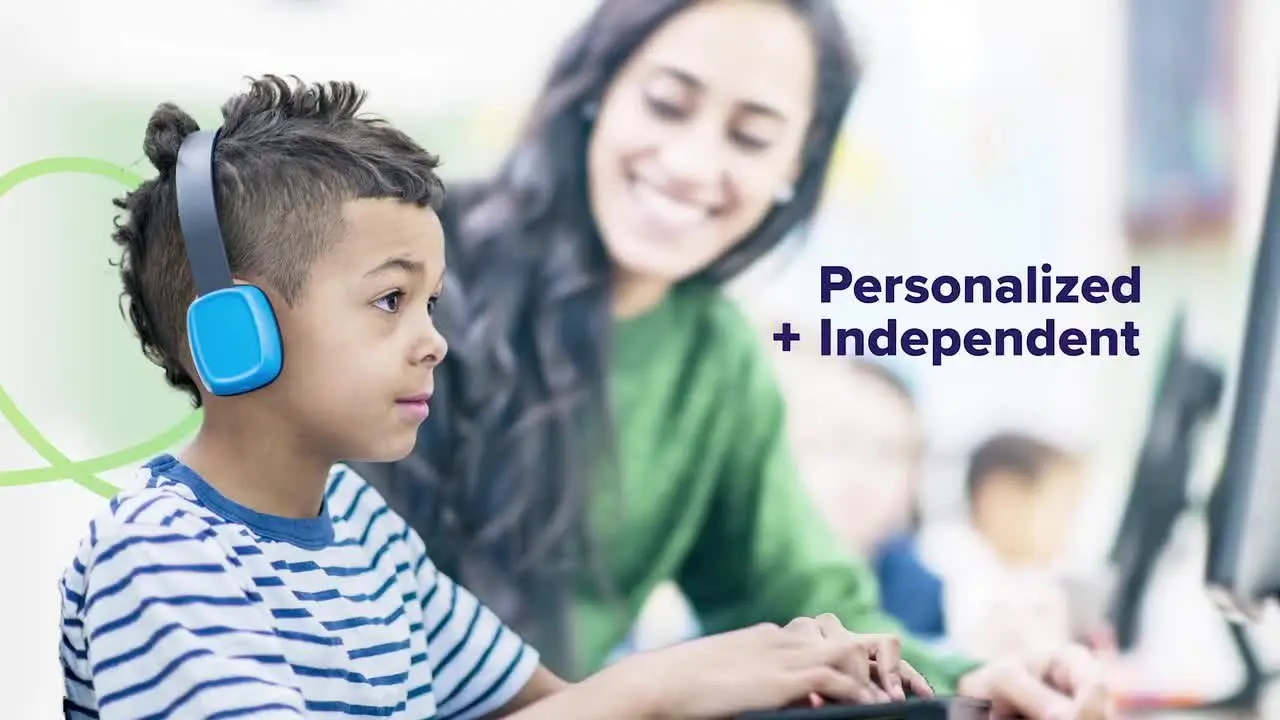
As students work independently, Lexia® uses student performance metrics to personalize their learning paths. Rather than providing every learner with the same sequence of instruction, the model uses ongoing performance information to shape an experience based on individual progress. This adaptive approach helps connect independent learning time with each student’s demonstrated needs.
The model also keeps educators at the center of instruction. Real-time progress reports provide visibility into student performance, giving teachers information they can use to make data-informed instructional decisions. These insights connect students’ independent work with teacher-led classroom instruction, creating a coordinated approach in which technology supports rather than replaces the educator’s expertise.
For school and district leaders evaluating literacy tools, this model illustrates how Lexia integrates personalized learning, progress monitoring, and teacher-led instruction within one cohesive approach. Student performance informs the independent learning experience, while real-time data helps educators determine how to respond through classroom instruction.
Watch this brief video to see how Lexia’s Adaptive Blended Learning model connects student-driven learning with actionable performance data and teacher expertise. The result is a practical framework designed to help educators personalize learning while maintaining the essential role of high-quality, teacher-led literacy instruction.
A Cambium Learning® Group Brand
